
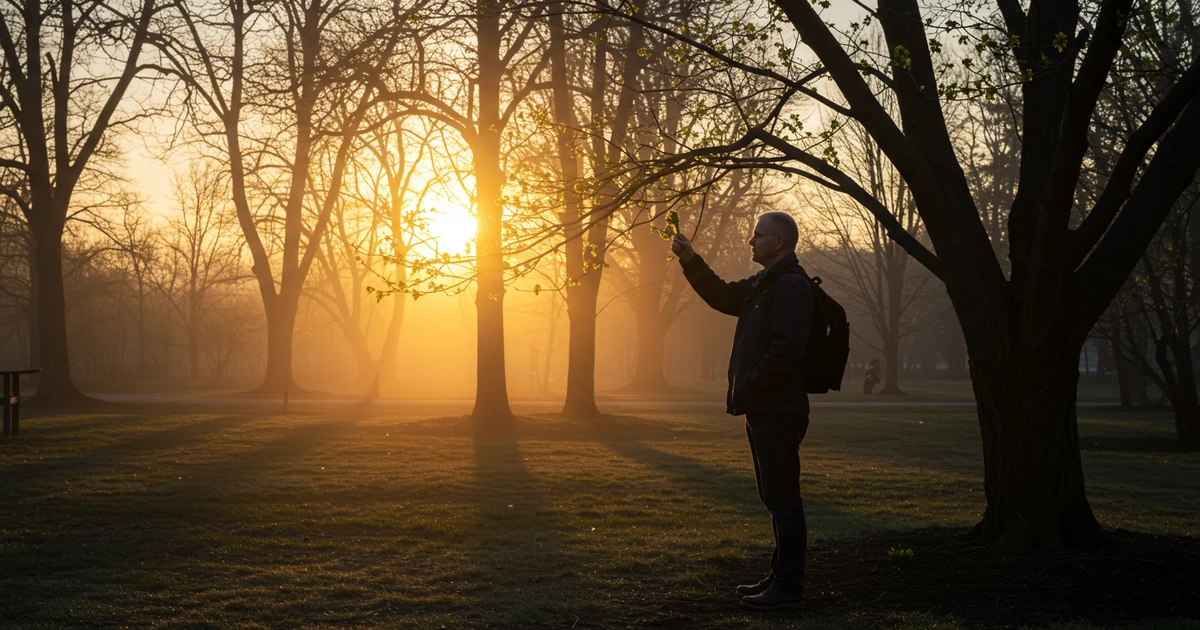
Is Today The First Day Of Spring: Today, March 20, 2026, marks the astronomical first day of spring for the Northern Hemisphere. While calendars and meteorologists may have pointed to an earlier date, the Earth’s own celestial mechanics confirm that the season of renewal officially begins now. Our analysis of This is more than just a date on the calendar; it’s a physical shift that promises longer days and the official end of winter’s grasp.
→ SpaceX Shatters Record with Milestone Launch, Blasting Past 10,000 Satellites
Key Takeaways
- The Official Start: The astronomical first day of spring in 2026 arrived on Friday, March 20, at 10:46 a.m. EDT. This event, known as the vernal equinox, marks the exact moment the Sun passes directly over the Earth’s celestial equator.
- Two Ways to Tell Time: There are two different dates for the start of spring. Meteorologists, who track climate data, say spring began on March 1. However, the astronomical definition is based on the Earth’s tilt and orbit, making March 20 the more scientifically precise start date.
- A Symbol of Renewal: The vernal equinox signals that the Northern Hemisphere is tilting more toward the Sun, leading to increasing daylight hours and warmer temperatures. This transition is celebrated by numerous cultures worldwide as a time of rebirth and new beginnings.
What Exactly Is the Vernal Equinox?
The term vernal equinox might sound complex, but the concept is straightforward. “Vernal” translates to “new” or “fresh,” while “equinox” comes from the Latin for “equal night.” For months, since the winter solstice in December, the days have been gradually getting longer. The equinox is the tipping point. It’s the moment when the Earth’s axis isn’t tilted toward or away from the Sun, resulting in the Sun’s rays shining directly on the equator.
For more discussion, see this social media discussion.
After this point, the Northern Hemisphere begins its significant tilt toward the Sun, causing daylight to win out over darkness until we reach the summer solstice, the longest day of the year. This year, that moment occurred at 10:46 a.m. EDT.
A common myth our team often encounters is that the day and night are perfectly equal on the equinox. While the Latin root suggests this, it’s not entirely true. According to The Farmer’s Almanac, daylight on the equinox is actually slightly longer than 12 hours. This is because Earth’s atmosphere refracts sunlight, allowing us to see the sunrise before the Sun is technically over the horizon and see the sunset after it has dipped below.
Astronomical vs. Meteorological Spring: What’s the Difference?
The confusion around the start of spring is understandable. You may have heard from your local weather forecaster that spring began back on March 1. So, who is correct? The answer is both—they’re just using different systems.
Our analysis suggests thinking of it as two separate but valid definitions for the season.
| Feature | Astronomical Spring | Meteorological Spring |
|---|---|---|
| Start Date | March 19, 20, or 21 (Vernal Equinox) | March 1 (Always) |
| Basis | Earth’s position relative to the Sun | Annual temperature cycles and calendar months |
| Purpose | Marks a precise astronomical event. | Simplifies climate data tracking and forecasting. |
| 2026 End Date | June 21 (Summer Solstice) | May 31 |
Meteorologists and climatologists need to compare seasonal data from year to year. By splitting the seasons into clean, three-month blocks, they create consistent periods for statistical analysis. Astronomical seasons, however, are governed by the Earth’s elliptical orbit, which means their lengths and start dates can vary slightly. As noted by experts at NASA, factors like leap years and the slow wobble of the Earth’s axis (precession) cause the equinox date to shift. In fact, there won’t be a March 21 equinox in the mainland U.S. for the rest of the 21st century.
What Does This Mean for You?
The arrival of the astronomical spring is more than a scientific curiosity; it has a direct impact on our environment and well-being. The increasing daylight is the most significant change. From this day forward, until the summer solstice, our days will continue to lengthen. This shift triggers biological responses in both plants and animals, leading to the blooming flowers and renewed agricultural activity we associate with the season.
Discussions online, particularly on social media platforms like Reddit, are already filled with people sharing local signs of spring, from the first crocuses to the return of migratory birds. This collective observation highlights the deep human connection to this seasonal change.
How Is the First Day of Spring Celebrated?
The vernal equinox is a powerful symbol of rebirth, and cultures across the globe have marked this day for millennia. Many of these traditions are vibrant celebrations of life, color, and new beginnings.
- Nowruz: In Persian culture, the equinox marks the “New Day” or New Year. Families celebrate by setting up a Haft-Seen table with seven symbolic items representing renewal and prosperity, as detailed by cultural resources.
- Holi: Known as the “Festival of Colors,” this Hindu celebration in Northern India signifies the triumph of good over evil and the arrival of spring with vibrant colored powders, bonfires, and feasts.
- Equinox at Teotihuacan: Every year, thousands of people travel to the Pyramid of the Sun in Mexico, often dressed in white, to absorb the “good energy” of the new season as the sun aligns with the ancient structure.
- Cimburijada: In Bosnia, the city of Zenica welcomes spring with the “Festival of Scrambled Eggs.” At dawn, huge pans of scrambled eggs are cooked and shared, with the egg symbolizing the birth of new life.
These diverse celebrations, from the spiritual to the culinary, underscore a universal human impulse to recognize and honor the end of winter’s darkness and welcome the light. As we observe the official start of the season today, we are participating in a timeless, global tradition of renewal. For a deeper dive into global springtime festivities, publications like Little Passports offer fascinating insights into these cultural events.
Relevant posts
- Europa League’s Wild Night Just Changed Everything
- Security Alert: Why a Michigan Synagogue Attack Matters
- Watkins Header Secures Historic Villa Win in France
Visit themarketmail.com for more stories.